


Before sending confidential CAD drawings to a CNC machining supplier, agree on who will receive the files, what they may be used for, and whether a non-disclosure agreement (NDA) should be signed. The transfer method matters too, but it comes after the decision about who is authorized to see the design.
For an engineering team seeking a quotation, the challenge is finding the right balance. A machining supplier needs enough technical information to assess the part, yet an unreleased design may contain details that have no reason to leave the company. Good confidential CAD drawing sharing with a CNC supplier means controlling what is disclosed without making a useful technical review impossible.
The practical starting point is a conversation about confidentiality and access, not an email containing the entire CAD package.

What should you agree before sharing confidential CAD files?
A supplier may be able to discuss a potential project before receiving its detailed geometry. An initial enquiry can describe the general part type, the manufacturing process under consideration, and the kind of feedback required, without revealing confidential design information.
That opening conversation should establish the intended recipient, the purpose of the review, the scope of access and whether an NDA needs to be completed. These details are more meaningful than simply marking an attachment “Confidential” and assuming the recipient will interpret that label in the same way.
Consider a hypothetical engineering team developing an unreleased mechanical housing. It wants to know whether the part is suitable for CNC milling, but the complete assembly contains proprietary interfaces. The team could begin with a general project description and ask about confidentiality arrangements before deciding which technical files are necessary.
At this stage, it is also useful to confirm the supplier’s manufacturing scope and confidentiality arrangements. CNCRUSH’s About page outlines its CNC milling and turning capabilities and confirms that NDA agreements can be signed before drawing review.
If confidentiality terms are still being discussed, keep the exchange at a level your organization has approved for disclosure. A quotation can be developed further once the appropriate information-sharing arrangements are agreed.
CNCRUSH’s CNC machining RFQ checklist can then help organise the drawing revision, quantities, material, finish and inspection details needed for a quotation.
Who needs access to which drawing information?
Not everyone involved in a machining enquiry needs the same files. A commercial contact may only need to understand the project scope, while an engineer assessing manufacturability may need the actual part geometry and relevant technical notes.
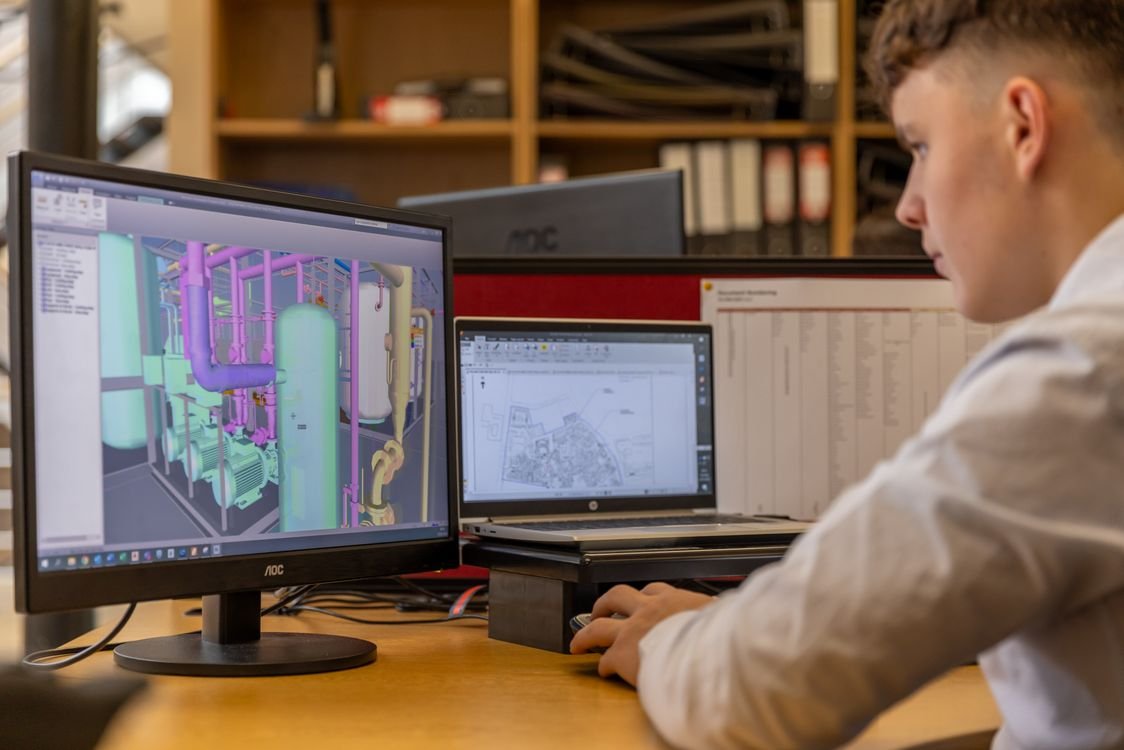
This difference matters when a drawing package includes more than the part being quoted. For example, a supplier reviewing one mounting bracket may not need the complete machine assembly in which that bracket will operate. If the bracket’s mounting interfaces affect machining decisions, however, those particular details may need to be included.
The sensible approach is to disclose information according to the review task, rather than sending the full archive by default.
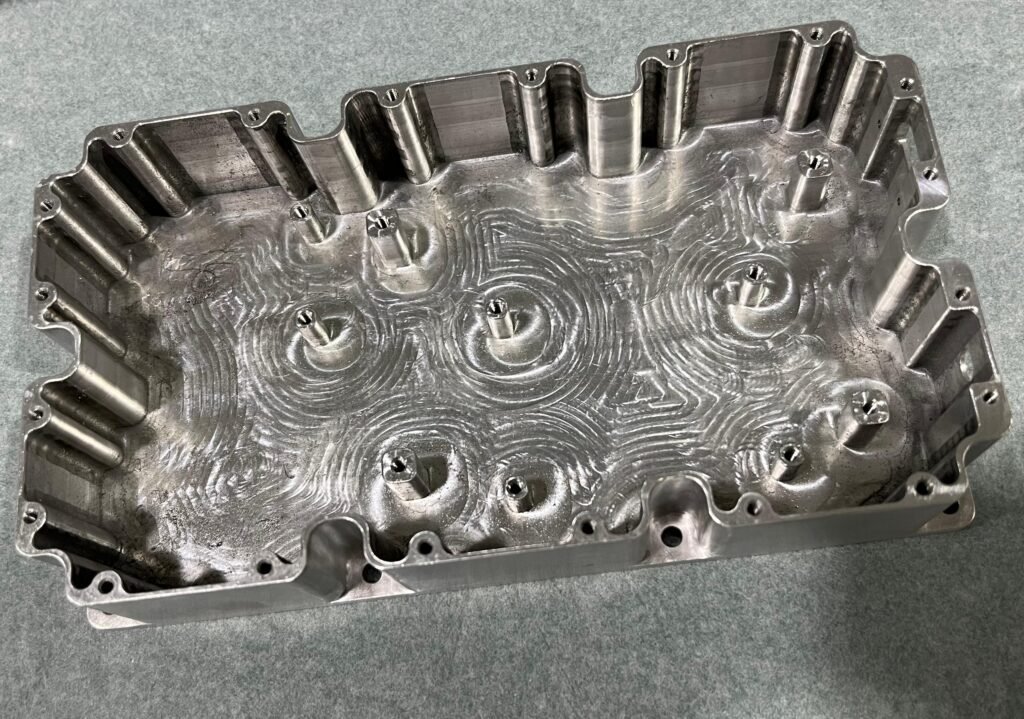
The right amount of information depends on the review
Initial discussion: A non-confidential description may be enough to establish whether a technical review is appropriate.
Part-specific assessment: The reviewer may need the actual CAD geometry, drawing notes and relevant interfaces.
Additional clarification: Further files should be shared when they answer a specific technical question and the disclosure is authorized.
Limited disclosure is not the same as removing every detail from a drawing. If important features are hidden, the supplier may misunderstand the part or make assumptions that weaken the quotation. The goal is to provide enough information for the requested assessment without exposing unrelated intellectual property.
Also consider information that is not immediately visible. CAD exports, attached documents and file properties can contain details beyond the intended drawing view. A simplified model or cropped screenshot should not automatically be treated as non-confidential.
Before sending the package, confirm who is authorized to review it and whether it may be shared with other staff or external parties. If additional reviewers become necessary, agree on that disclosure rather than assuming the initial permission covers everyone.
What should the NDA conversation clarify?
An NDA helps establish the expectations surrounding confidential information, but it should not be treated as a universal guarantee that nothing can go wrong. Its usefulness depends on the agreed terms and how the parties handle the information in practice.
For CNC drawing review, the discussion should cover the information being protected, the permitted purpose of disclosure and the people or organizations allowed to receive it. Confidential engineering drawings may include more than a PDF: native CAD models and supporting project documents can reveal equally important design details.
For cross-border projects, confirm which legal entity will sign the NDA and receive the confidential information. If outside finishing or another external process may involve a separate company, ask whether that partner will need access to any drawings or model data. Any onward disclosure should be permitted under the agreed confidentiality terms and approved before the relevant files are shared.
The intended use deserves particular attention. Providing files for manufacturability assessment and quotation does not automatically mean the recipient may use them for another project, distribute them to an unrelated party or publish them as examples of its work. Those boundaries should be addressed in the agreement.
There is also a practical question that can be overlooked: what happens to the information after the review? If the project does not proceed, the engineering team should understand the agreed expectations for continued access, retained copies and any return or deletion request. Do not assume all copies disappear when the discussion ends.
An initial message to the supplier can be straightforward:
“We would like to request a machining review for a confidential design. Before sharing the detailed CAD files, could we discuss the NDA arrangements, who will have access to the drawings, and how the files should be transferred?”
That message sets out the issue without disclosing the design itself. It also gives the supplier a clear opportunity to identify the appropriate project contact.
The actual agreement should be reviewed by the responsible people within both organizations, with legal advice where appropriate. An article or preliminary email cannot establish the legal effect of an NDA or replace the signed terms.
Confirm the recipient and transfer channel before sending
Once the confidentiality arrangements are settled, attention turns to the destination of the files. Even a carefully prepared NDA will not help much if the drawings are sent to the wrong person or an address that has not been confirmed.
Check the recipient’s identity and role through an established supplier contact. If a different person needs to receive the package, clarify why that person is involved and whether the intended access falls within the agreed confidentiality scope.
The transfer channel should be agreed with the supplier rather than assumed. Depending on the arrangements between the organizations, the approved method might involve a designated email recipient or an agreed file-sharing service. The important distinction is that both sides know which channel is authorized and who can access the transferred material.
For example, suppose an engineer has already discussed the project with one contact, but a later message requests that all CAD files be sent to a different address. That change should be confirmed through the established contact before anything is transferred. An unfamiliar address should not become trusted simply because it appears in an email about the project.
File size and format may affect the exchange, so ask what the reviewer can accept. Before using a file-sharing link, confirm whether access can be limited to named recipients, whether the link can be revoked or set to expire, and whether downloads or onward sharing can be restricted.
If email is the agreed method, follow your organisation’s approved encryption and password-sharing procedures. The available controls depend on the service being used, so verify them rather than assuming that a password-protected link is automatically secure. Do not use a general contact form or an unapproved sharing link for sensitive material.
A secure CAD file sharing process depends on the actual arrangements in place. No transfer method should be described as risk-free, and CNCRUSH’s public service information should not be taken as evidence of a particular encrypted platform, access-control system or automatic file-retention policy.
Move from protected disclosure to technical review
With the NDA discussion resolved and the receiving arrangements confirmed, the engineering conversation can become more specific. The next task is to provide the information needed for the intended machining assessment, without turning a focused enquiry into an unrestricted disclosure of the wider product design.
For a single CNC milled component, this may mean sharing its relevant geometry and the drawing information necessary to understand the manufacturing question. A supplier could then identify missing details or explain why another view is required. Any additional files can be considered against that specific request.
Keep a record of the file names, drawing revisions, recipients and release dates for each submission. If the design changes during the quotation process, identify the updated revision clearly rather than assuming that a newly sent file has replaced every earlier copy. This helps both engineering teams distinguish the information used for an initial review from the version currently being considered for manufacturing.
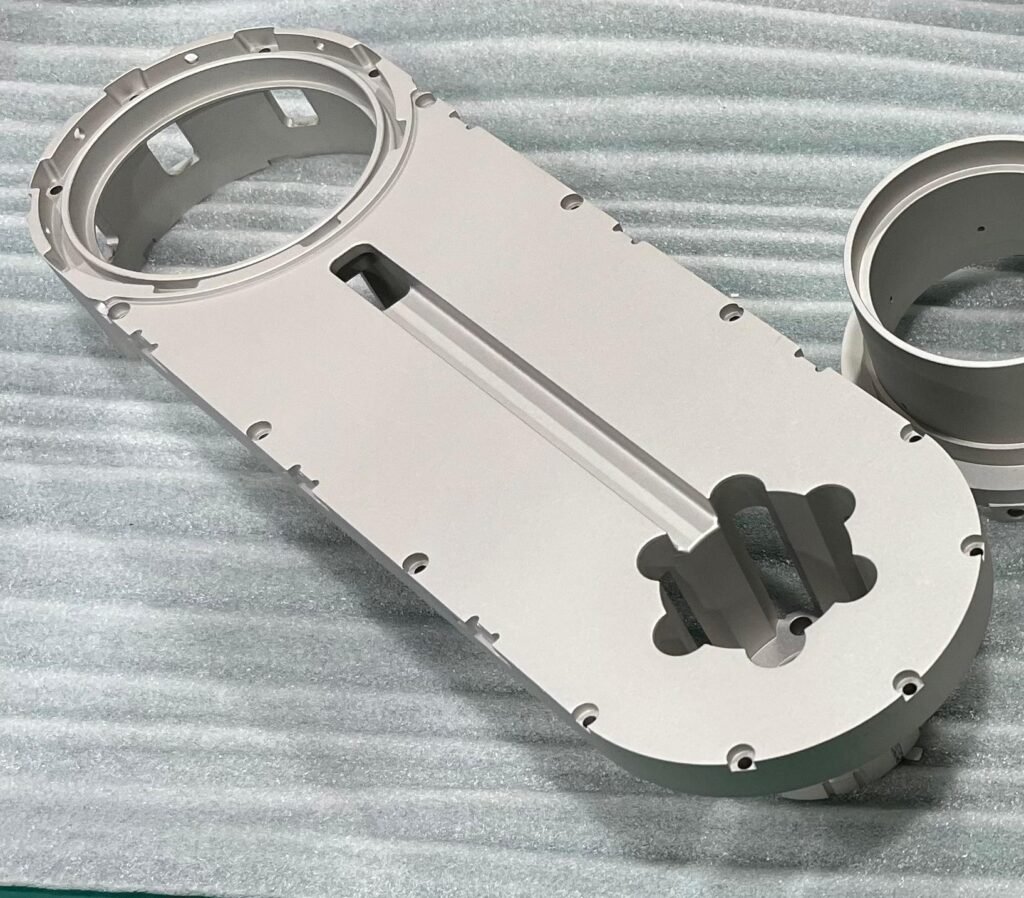
CNCRUSH describes CNC milling, CNC turning and project support on its company website, and states that NDA agreements can be signed before drawing review. Project-specific confidentiality and file-receipt arrangements should still be confirmed directly rather than inferred from that general service description.
Frequently asked questions
Can an NDA be discussed before drawing review?
Yes. CNCRUSH states that NDA agreements can be signed before drawing review. Contact the company to discuss the arrangement and confirm the agreement before releasing restricted files. An NDA discussion alone does not mean an agreement has been executed.
What should I confirm about access after review?
Clarify who remains authorized to access the files and how retained or forwarded copies will be handled when the review ends. Any return, deletion or continued-retention requirements should be agreed explicitly.
Can I share limited information before the NDA is agreed?
Only information approved for that stage should be disclosed. A general, non-confidential project description may be enough for an initial enquiry. A partial drawing or simplified CAD model can still reveal proprietary details, so its contents should be reviewed before sharing.
Sharing a confidential design with a machining supplier does not have to begin with the complete CAD package. A clear agreement about the recipient, the purpose of disclosure, access and the transfer channel provides a more controlled starting point for technical discussion.
For confidential CAD drawing sharing with a CNC supplier, the next step is to discuss the NDA and file-receipt arrangements before transmitting the drawings needed for quotation.
Discuss your confidential machining project
Before submitting restricted CAD files, contact CNCRUSH to discuss NDA arrangements, the authorized drawing recipient and the appropriate transfer method. Once those details are agreed, the technical review can proceed with the information required for your project.
