


A powder-coated CNC part can look right but still fail to fit if coating reaches a threaded hole or a close-fitting surface. Preparation begins with deciding where the finish belongs, what must remain uncoated, and how the finished part will be assessed. It also involves the condition of the metal itself: residual cutting fluids, contamination and the substrate can all affect the preparation needed before coating. A drawing note such as “powder coat black” leaves those decisions open. It doesn’t show whether a locating face needs masking, whether a bore can be coated, or what appearance the customer expects. Those details are easier to settle before finishing than after the […]
カテゴリーアーカイブ: CNCRUSH News
CNCRUSHニュースでは、エンジニアや購買担当者向けにCNC加工、材料、品質、製造の実践的な情報を紹介します。
21
11月
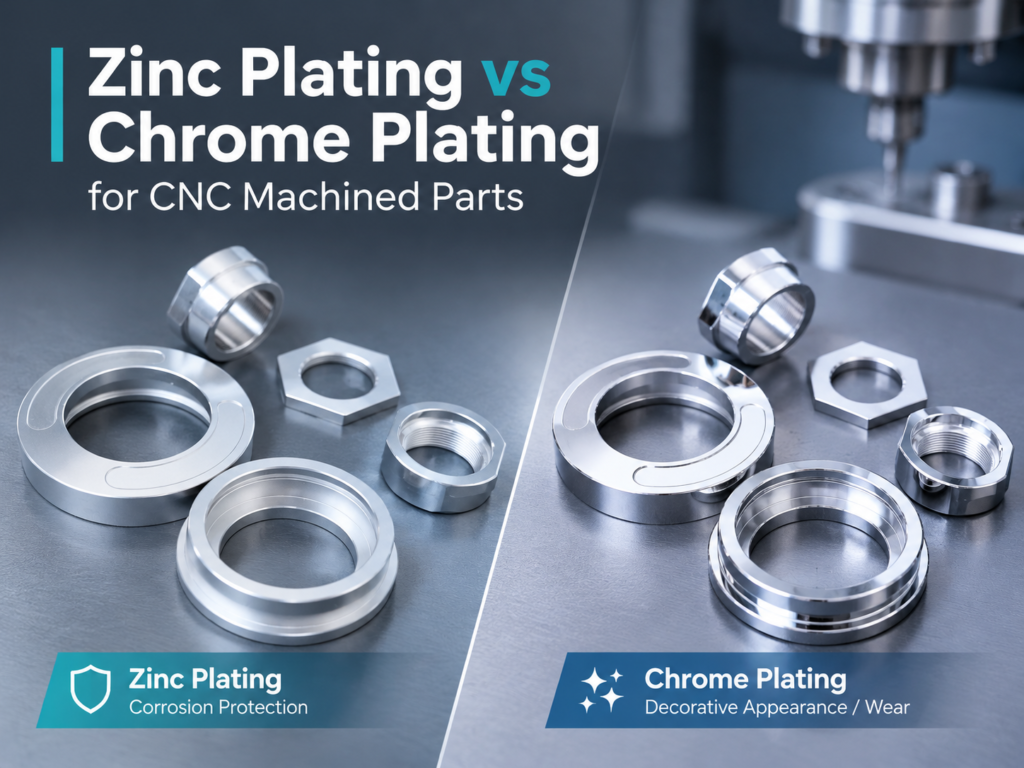
Zinc plating is usually worth considering when a suitable steel part needs corrosion protection. Chrome plating may be more appropriate when the requirement is a particular decorative appearance or an engineered surface intended for wear-related service. Neither finish is the automatic winner: the base metal, exposure, mating features and acceptance requirements have to support the choice. When comparing zinc plating with chrome plating for CNC-machined parts, the key question is what the finished component must do. Two silver-colored parts can look similar but have very different coating systems, dimensional effects and service expectations. Start with the job the plating must do Start with the substrate, the metal beneath the coating. […]
19
11月
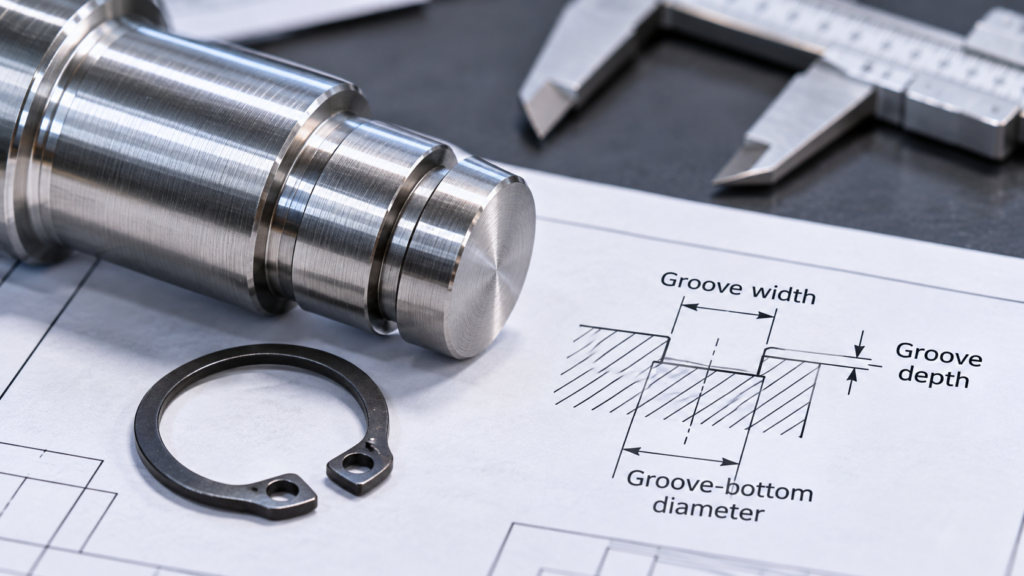
On a CNC turned shaft, a retaining ring groove is only useful if it fits the ring that will actually be installed and holds the neighboring component in the intended position. The drawing needs to identify that ring and define the groove width, bottom diameter or radial depth, and axial location. A note that simply says “circlip groove” leaves too much open to interpretation. Cutting the groove is usually the straightforward part. The more important question is how it works with the shaft shoulder and the bearing, spacer or other component being retained. A groove can be machined accurately yet still leave unwanted axial play or make the ring difficult […]
17
11月
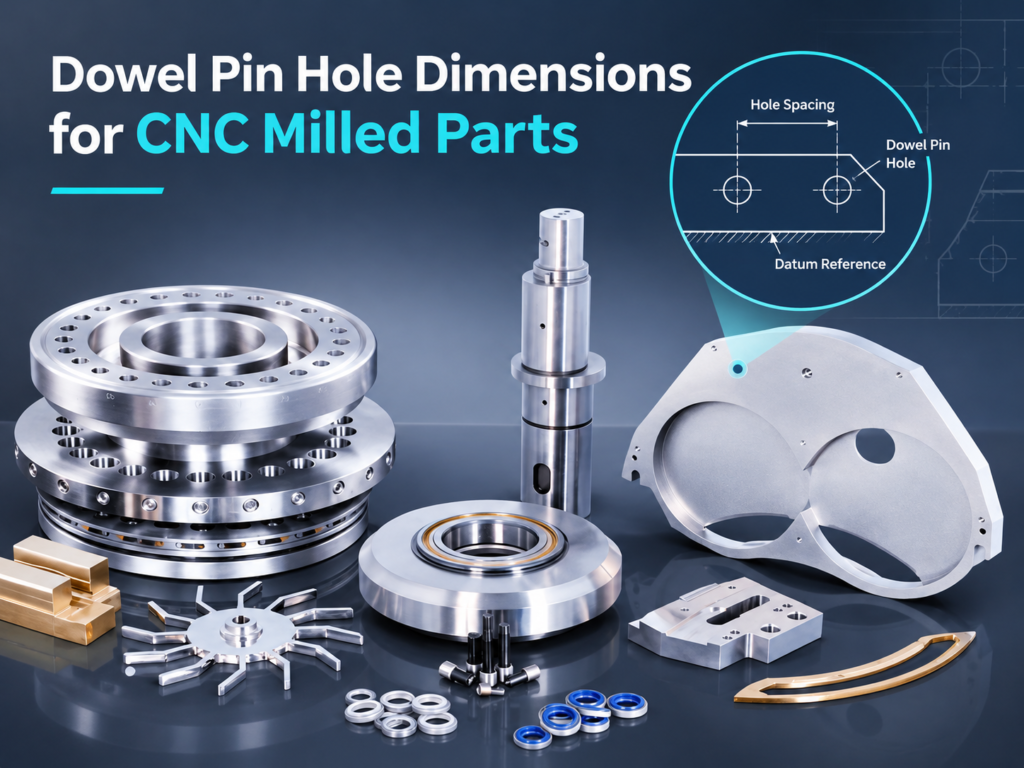
A dowel pin that fits securely in one component may need to slide into another. Specifying both holes by nominal diameter alone does not tell the machinist how those fits should differ. Even when the diameters are correct, inconsistent hole spacing can prevent the mating parts from assembling. For CNC milled parts, dowel pin hole dimensions need to reflect the complete locating arrangement: the selected pin, the fit required in each component, the position of the holes and the available engagement depth. These details determine whether the parts locate accurately, seat properly and can be assembled as intended. A dowel pin hole needs more than a diameter Dowel pins help […]
CNC turned spacers keep two surfaces at the intended distance in a bolted assembly. Getting that distance right requires more than choosing a tube of the right length: the bolt must pass through as intended, the outside diameter must clear nearby features, and both ends need to seat where the design expects them to. The most reliable starting point is the assembled joint. Once the actual contact surfaces are clear, the spacer’s length, bore, outside diameter and end-face requirements become much easier to specify on a turning drawing. What distance must the spacer maintain in the assembly? Imagine a bracket held away from a mounting plate by a bolt and […]
13
11月
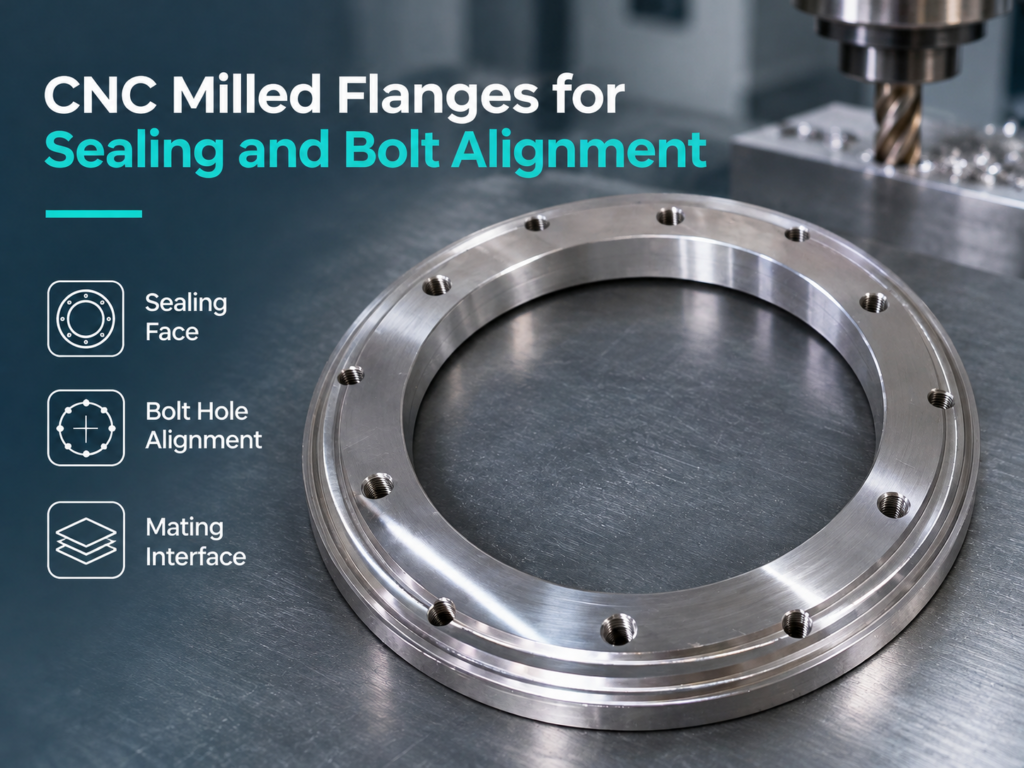
A flange drawing needs to do more than show a flat face and a set of holes. The sealing area must suit the gasket or mating surface, while the bolt holes must align with the mating part and provide the intended fastener clearance. Where a pilot, locating bore or dowel pins position the joint, those features—not the clearance holes—establish the assembly alignment. If those features are dimensioned independently, a flange can be perfectly machinable yet awkward to assemble. In CNC milled flange design, the useful starting point is the assembled joint: what touches, what locates the parts, and what holds them together. Once those relationships are clear, the drawing can […]
11
11月
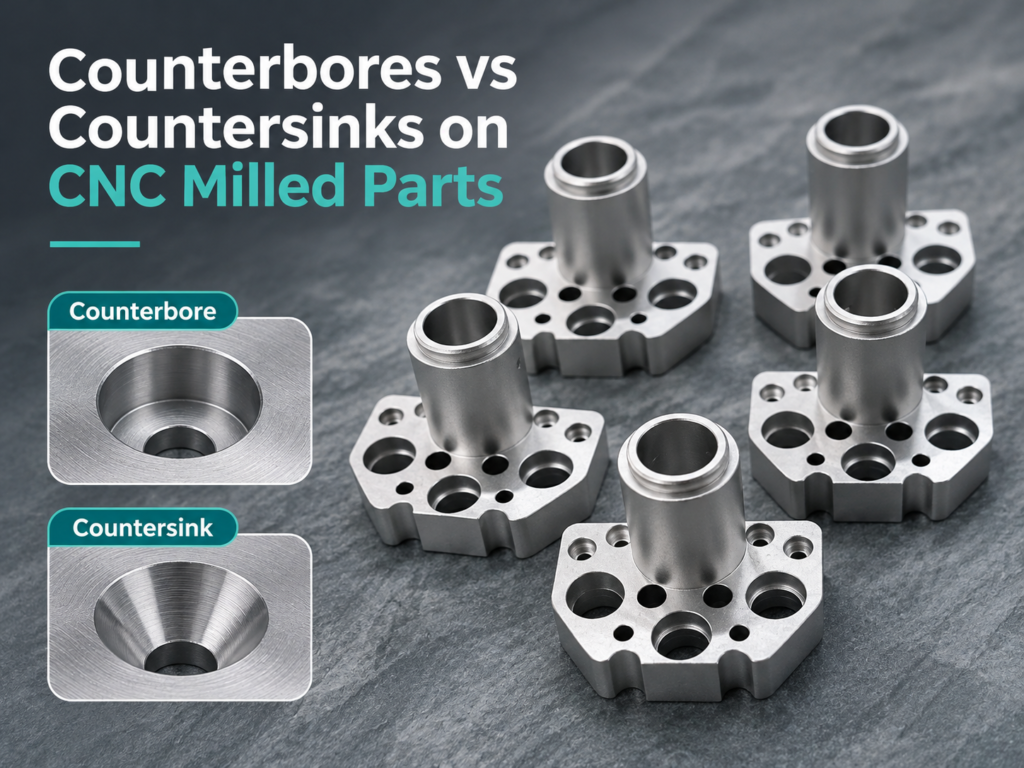
A counterbore is the right choice when a screw head needs a flat-bottomed recess. A countersink is intended for a flat-head screw with a tapered underside. Both can keep fasteners from projecting above a machined surface, but they support different head shapes and require different drawing dimensions. Choosing between a counterbore and a countersink is only part of specifying a CNC-milled part. The selected screw must seat correctly, enough material must remain around and beneath the recess, and the drawing must define the feature clearly enough for machining and inspection. Resolving these details before release helps prevent a part that meets the nominal hole dimensions but does not assemble as […]
09
11月
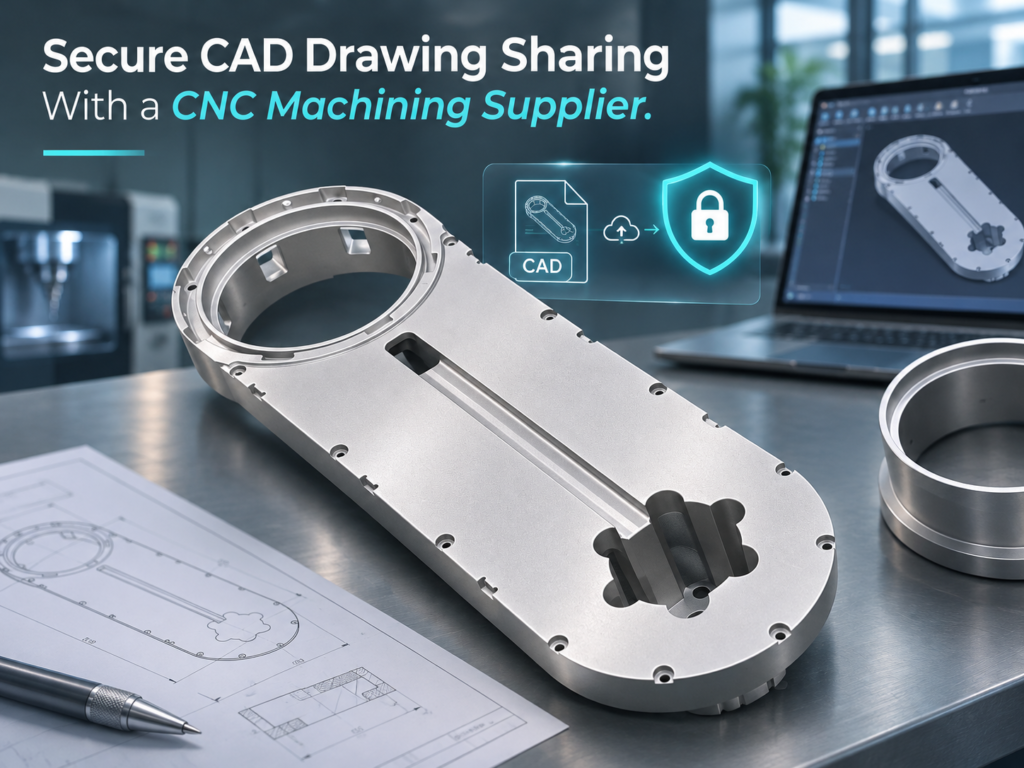
Before sending confidential CAD drawings to a CNC machining supplier, agree on who will receive the files, what they may be used for, and whether a non-disclosure agreement (NDA) should be signed. The transfer method matters too, but it comes after the decision about who is authorized to see the design. For an engineering team seeking a quotation, the challenge is finding the right balance. A machining supplier needs enough technical information to assess the part, yet an unreleased design may contain details that have no reason to leave the company. Good confidential CAD drawing sharing with a CNC supplier means controlling what is disclosed without making a useful technical […]
07
11月
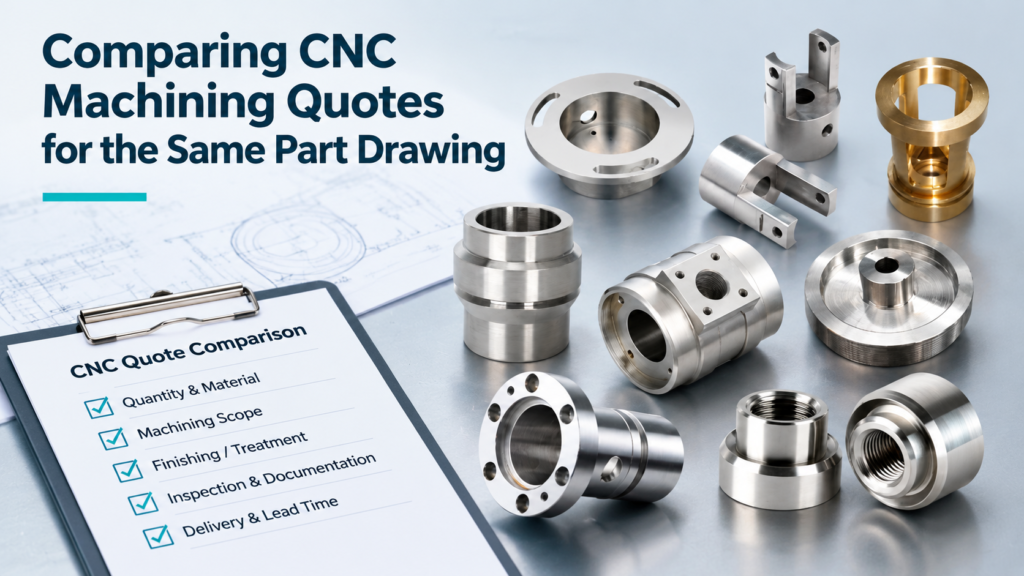
To compare CNC machining quotes for the same part drawing, check what each price actually includes before comparing the totals. One supplier may have priced machined parts ready for delivery, while another has excluded finishing, inspection reports or freight. Both may be quoting the correct drawing, but not the same purchasing scope. The fair comparison is the cost of receiving parts that meet the same requirements, at the same quantity and agreed delivery point. Clarifying the differences first prevents a seemingly lower price from concealing work that still needs to be arranged. Why can the same drawing produce different CNC quotes? A drawing defines the part, but it does not […]
05
11月
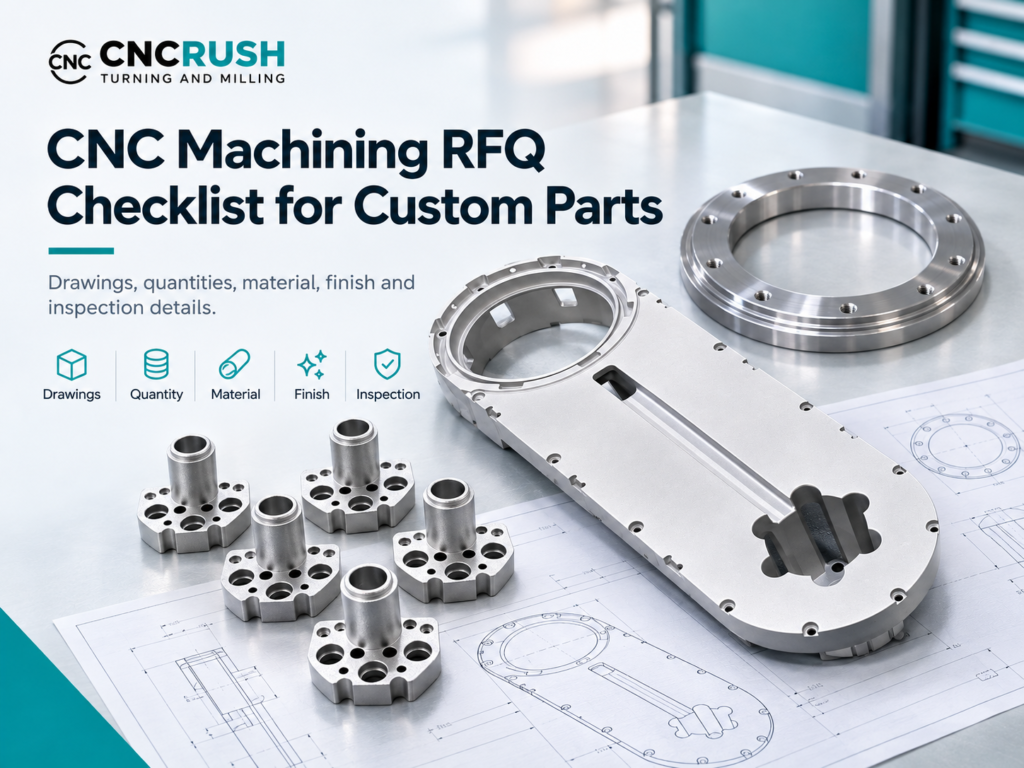
A useful CNC machining quote starts with five things: part drawings, quantities, material specifications, surface finish requirements and inspection expectations. You do not need every manufacturing detail settled before making an enquiry, but you do need to distinguish confirmed requirements from questions that still need review. For custom parts, incomplete or conflicting information can lead to repeated clarification emails. The aim of this guide is to make CNC machining RFQ requirements easier to prepare, especially when a project is moving from an engineering drawing to its first supplier enquiry. What should you send with a CNC machining RFQ? Start with information that lets the machining team identify the part, understand […]