


Zinc plating is usually worth considering when a suitable steel part needs corrosion protection. Chrome plating may be more appropriate when the requirement is a particular decorative appearance or an engineered surface intended for wear-related service. Neither finish is the automatic winner: the base metal, exposure, mating features and acceptance requirements have to support the choice.
Porównując zinc plating with chrome plating for CNC-machined parts, the key question is what the finished component must do. Two silver-colored parts can look similar but have very different coating systems, dimensional effects and service expectations.
Start with the job the plating must do
Start with the substrate, the metal beneath the coating. Zinc is commonly used to protect steel, while a decorative chrome finish may form part of a multilayer system chosen for the particular substrate. Simply substituting one finish name for another can change how the surface behaves and how the part needs to be prepared.
Then consider the environment. A component used in a dry indoor assembly faces different conditions from one exposed to moisture, cleaning chemicals or frequent handling. “Corrosion-resistant” is not enough to define the requirement; the team needs to know the exposure and the condition the part is expected to maintain.
Appearance and wear should be discussed separately. A visible fitting may be judged mainly on color, reflectivity and consistency, whereas a moving contact surface needs an engineering decision about wear and its mating part. Chrome plating specified for appearance should not be assumed to satisfy a functional wear requirement.
Fit can be just as important. A shaft, bore or thread may be correctly machined before plating but no longer meet its mating requirement afterward. Coating allowance means the dimensional provision made for the deposited finish, and critical finished dimensions should be decided before the machining and plating route is released.
CNCRUSH lists both processes within its CNC surface finishing services. Zinc and chrome plating are coordinated through qualified finishing partners according to project requirements, so the drawing and intended use are the right starting points for that discussion.
When might zinc plating be worth considering?
For many steel components, the case for zinc is straightforward: corrosion protection is the main concern, and the part does not call for a specially engineered chrome wear surface. Zinc can offer sacrificial protection, meaning it can corrode preferentially to the underlying steel under suitable conditions.
That principle is useful, but it does not establish a guaranteed service life. Actual performance depends on the complete coating specification, any supplementary treatment, the substrate and the exposure. A bright finish alone cannot confirm that a project’s corrosion criteria will be met.
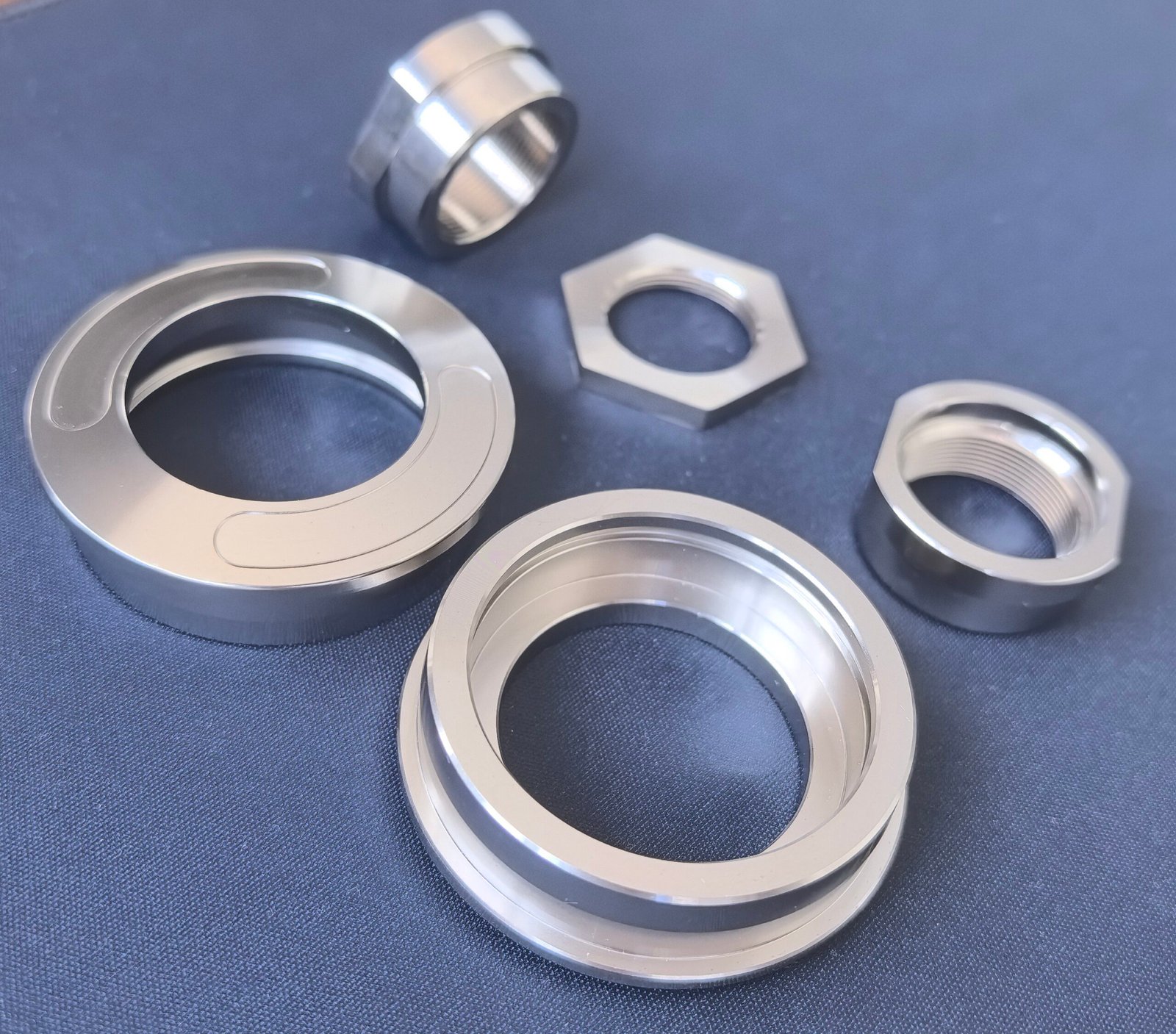
The requested zinc finish may also include a passivation or conversion treatment. This detail matters because a chromium-containing treatment over zinc is not the same process as chrome plating. A drawing that only says “zinc, shiny” may leave the finishing partner without enough information about the expected result.
Hypothetical example: A steel mounting bracket sits inside equipment where occasional moisture is possible. It has no sliding wear surface, but the assembly needs the bracket to resist corrosion. Zinc plating could be a reasonable candidate, provided the exposure, mating materials, cosmetic expectations and acceptance criteria are reviewed. The appearance of the bracket alone cannot settle that decision.
Which chrome plating requirement do you actually mean?
“Chrome plated” is not a complete engineering specification. A decorative finish and a functional chrome coating are selected for different reasons, and each may require different preparation, process controls and final inspection.
Decorative chrome: define the appearance and full coating system
Decorative chrome is associated with a reflective finish. Depending on the material and required performance, it may be applied as part of a multilayer system, often with nickel beneath the chromium. The entire system matters; judging only the outer appearance is not a reliable way to assess corrosion protection.
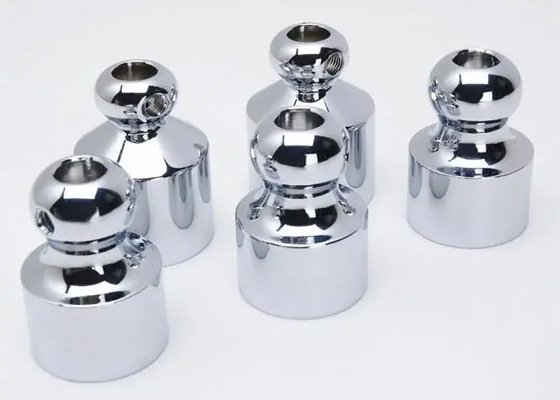
For a visible component, the purchasing drawing should identify which faces are cosmetic and how the finish will be accepted. Descriptions such as “mirror chrome” may convey the intended look but still leave questions about variation, marks and the condition of surfaces visible after assembly.
Functional chrome: define the contact and wear requirement
Functional, sometimes called hard, chrome plating may be evaluated for engineering surfaces exposed to wear. It is not the automatic choice for every loaded or sliding component. Contact conditions, substrate suitability, finished geometry and inspection requirements need to be reviewed with the proposed finishing process.
Hypothetical example: A machined shaft runs against a mating component, and its contact surface has a defined wear requirement. “Chrome plating” does not tell the finishing team which surface is critical or what final size and condition are acceptable. Those details must be agreed before selecting a functional route.
What must be checked before comparing the two options?
An accurate CNC part plating comparison starts with the drawing, not a color sample. The first question is whether the base material and service conditions suit the proposed coating system. The next is what plating may change on the component after machining.
Finished dimensions deserve particular attention. Electroplating deposits material on exposed surfaces, and coverage can vary with part geometry and process. Threads, bores and close-fitting diameters may need different consideration. State whether a tolerance applies before or after plating, then identify how the finished feature will be checked against its mating part.
Masking also has a functional purpose. A locating face, an electrical contact or another controlled surface may need to remain uncoated, while the adjacent area requires plating. Mark these zones on the drawing and let the finishing partner assess whether masking and coverage can be achieved as specified. Recesses and possible fixture contact areas should not be overlooked.
Electroplating and some pretreatment steps can introduce hydrogen into susceptible high-strength steels, increasing the risk of delayed cracking under tensile stress. This risk can arise with both zinc and engineering-chrome routes, but the applicable controls depend on the material and governing specification. For high-strength or surface-hardened steel, identify the material condition on the drawing and have the design authority and finishing partner confirm any required pre-treatment, post-plating hydrogen-relief treatment and verification before processing.
A useful way to make the choice
Corrosion is the priority: Evaluate zinc on an appropriate steel substrate against the actual exposure and required protection.
Reflective appearance is the priority: Define the decorative chrome system and agree on cosmetic acceptance.
Surface wear is the priority: Assess functional chrome only against the mating condition, final geometry and required surface performance.
The coating’s appearance should be accepted against a clear reference or written criteria where that is relevant. Cosmetic defects, coverage and surface consistency can matter even when dimensions are satisfactory. Conversely, a visually attractive coating does not prove that a critical fit or wear requirement has been met.
Any numerical coating requirement, corrosion test, wear criterion or inspection frequency must come from an approved drawing, applicable standard or project agreement. Without that basis, the sensible action is to confirm the requirement rather than invent a specification.
Confirm the finishing specification with the project team
Once a likely finish has been identified, the drawing should state the coating system, substrate, critical surfaces and post-finishing acceptance requirements. The design and quality teams can then confirm the proposed route with the finishing partner before production is released.
For zinc, the open question may be which supplementary treatment and corrosion acceptance basis are appropriate. For chrome, it may be whether the requirement is decorative or functional. The engineer responsible for the design and the quality team should resolve those decisions with input from the finishing partner, including confirmation that the specified chrome system is available and suitable for the part.
CNCRUSH lists zinc and chrome plating among the finishes coordinated through qualified partners, rather than processes performed in-house. The specific chrome system—decorative or engineering/hard chrome—must be confirmed for each project; availability, suitability, masking feasibility and inspection expectations depend on the part and the partner’s capabilities.
The best outcome of a comparison between zinc and chrome plating for CNC-machined parts is not a universally preferred finish. It is a documented choice that fits the environment, substrate, assembly and acceptance criteria.
Frequently asked questions
Does a shiny finish prove corrosion performance?
No. Shine describes appearance, not a verified corrosion result. Performance depends on the substrate, full coating system, exposure and agreed acceptance method.
Should plated dimensions be checked against mating parts?
Yes, where coating affects a functional fit. The drawing should identify the finished-size requirement and the inspection needed for the mating geometry.
Who should confirm coating acceptance requirements?
The authorized design and quality stakeholders should approve them, with the finishing partner advising on feasibility and inspection. Missing criteria should not be replaced with assumptions.
Still deciding between zinc and chrome plating?
Share the drawing, substrate, intended exposure, critical fits and finish expectations. The CNCRUSH team can discuss the open requirements and coordinate a project-specific finishing review.
Discuss zinc or chrome plating requirements for your parts →
