


A useful CNC machining quote starts with five things: part drawings, quantities, material specifications, surface finish requirements and inspection expectations. You do not need every manufacturing detail settled before making an enquiry, but you do need to distinguish confirmed requirements from questions that still need review.
For custom parts, incomplete or conflicting information can lead to repeated clarification emails. The aim of this guide is to make CNC machining RFQ requirements easier to prepare, especially when a project is moving from an engineering drawing to its first supplier enquiry.
What should you send with a CNC machining RFQ?
Start with information that lets the machining team identify the part, understand the requested order and recognise what needs clarification. A drawing alone may describe the geometry, but it rarely explains the entire purchasing requirement.
A practical CNC RFQ checklist includes:
- Part identity: Part number, current drawing revision and the person responsible for technical questions.
- Engineering files: A dimensioned 2D drawing and matching 3D CAD model, when available.
- Quantity: The immediate requirement and any separate quantity options worth quoting.
- Material and finish: Approved specifications, or decisions clearly marked as unresolved.
- Inspection: Critical features, required records and approval expectations.
The distinction between a fixed requirement and a proposed option matters. If a material is already approved, send its specification. If it is still being evaluated, describe the question instead of adding a guess that could be mistaken for a final decision.
For projects that need drawing discussion before the requirements are settled, CNCRUSH provides CNC machining project support alongside CNC milling and turning services.
Which drawing files describe the part clearly?
A 3D CAD model makes a part’s shape and feature relationships easier to understand. A 2D engineering drawing explains what must be controlled, including dimensions, tolerances, threads, surface requirements and notes that govern acceptance. Neither file should silently override the other when they disagree.
Consider a bracket that must fit an existing assembly. Its model may show where a mounting hole belongs, but the drawing communicates how accurately it must be located. Without that requirement, the supplier may need to ask whether the apparent position is simply nominal or critical to assembly.
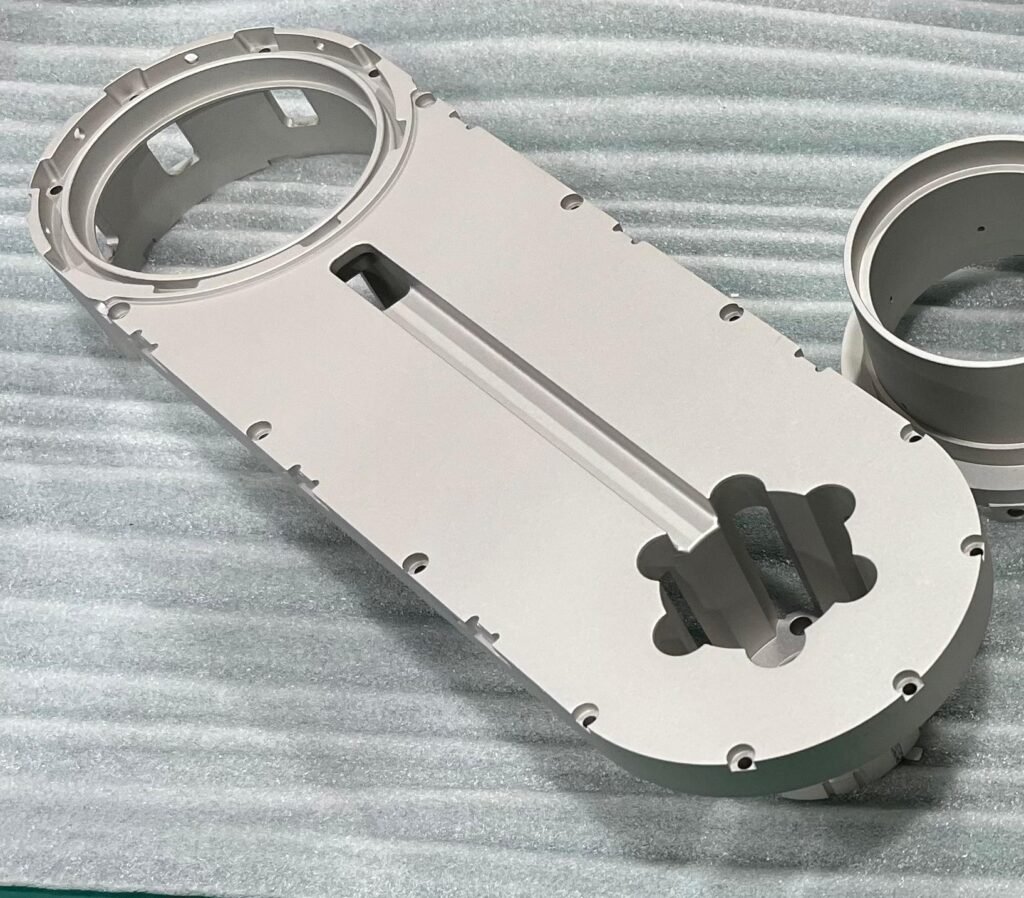
When preparing a CNC drawing submission, check that both files identify the same part and revision. If the model has changed but the drawing has not, say so before requesting a firm quote. The supplier should not have to guess which version is current.
Also check that the drawing is legible, the units are unambiguous and referenced specifications are identifiable. Ask which CAD formats can be reviewed rather than assuming compatibility.
For confidential work, discuss any necessary non-disclosure agreement (NDA) before transmitting restricted files. CNCRUSH indicates that NDA arrangements can be discussed before drawing review.
How do quantity, material and finish change the enquiry?
Two enquiries can contain the same drawing but call for different information. The difference is often the stage of the project: a part intended for fit evaluation is not yet the same purchasing commitment as a repeat production order.
One evaluation part or recurring demand?
Hypothetical example: An engineer needs one machined bracket to check its fit in an assembly. The first RFQ should identify the evaluation quantity and the features needed for the fit check. If the same bracket might be ordered regularly later, describe that volume as a forecast, not a confirmed purchase order.
This distinction gives the machining team useful context without implying that the design or future order has already been approved. Ask for additional quantity options only if they will help with the current purchasing decision.
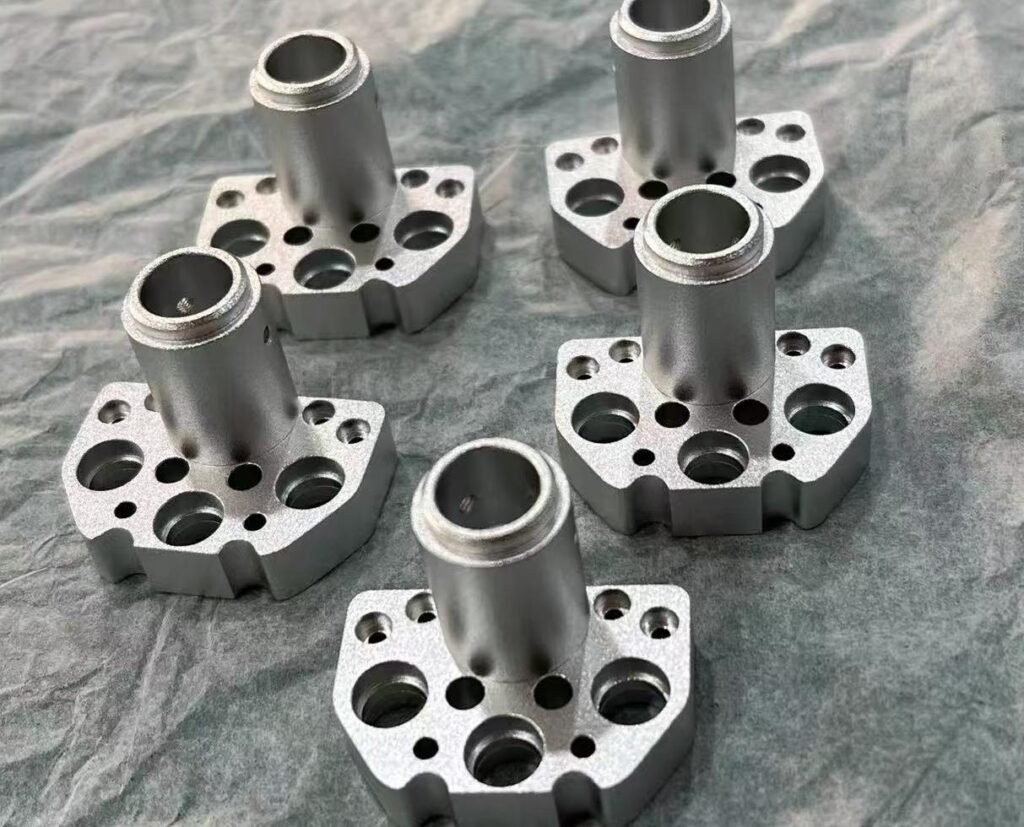
Material and finish need their own decisions
Broad descriptions such as “steel” or “aluminium” may not identify the material the design requires. Where a grade and condition are approved, use their exact designation. Where they remain open, explain the functional concern and request a proposal for engineering review rather than treating a substitution as authorised.
The finish also deserves a clear callout. If appearance, corrosion protection or fit after treatment matters, identify the relevant requirement and any surfaces that must remain untreated. If the choice is unresolved, note who needs to approve it.
For custom machined parts quotation requirements, honest gaps are preferable to confident assumptions. Supplier suggestions can inform the review, but they should not quietly become controlled design requirements.
Which acceptance requirements belong in the first enquiry?
An RFQ does not need to repeat every drawing dimension in an email. It does need to flag acceptance conditions that could affect how the part is made, inspected or documented.
Think of a housing that locates another component. Its mounting face or locating holes may be essential to the assembly, while another surface may have no special functional requirement. The drawing should define the applicable tolerances; the enquiry should highlight any critical characteristics or approval steps that might otherwise be missed.
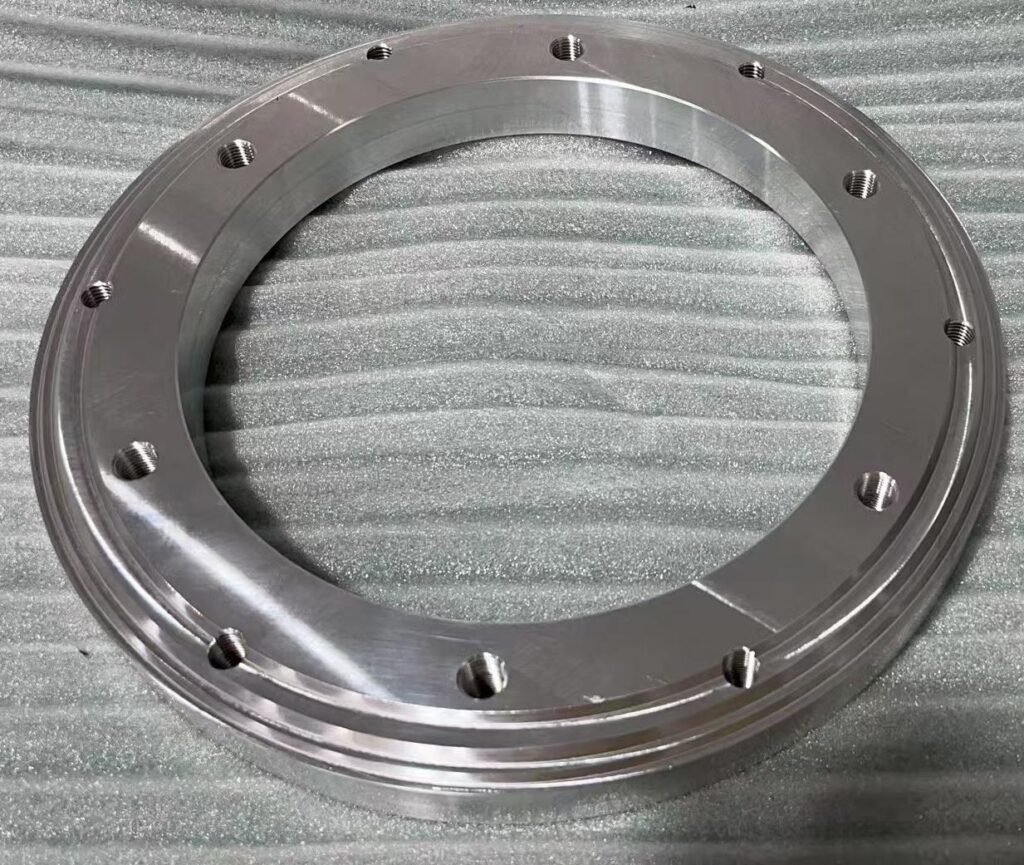
Inspection documentation matters too. A dimensional report, material certificate or first-article submission may be requested for a particular project, but these are not automatic inclusions in every order. State which records are needed and when approval must occur.
Acceptance notes for the RFQ
Critical features: The relevant drawing references.
Inspection scope: The characteristics that require reporting.
Required records: Any material or finish documentation.
Approval points: Any sample or first-article approval before further production.
If the inspection requirement is undecided, ask the responsible engineer or quality representative to confirm it. Adding unnecessary paperwork can complicate an enquiry; omitting essential evidence can create problems when the parts arrive.
Before sending: separate requirements from open questions
A long enquiry is not necessarily a complete one. Read the RFQ as someone seeing the project for the first time: is the current revision clear, is the requested quantity unambiguous, and can the supplier tell which decisions remain open?
A useful way to organise the message is to distinguish confirmed requirements, questions for supplier review şi items awaiting internal approval. Those three labels prevent a possible idea from being mistaken for an authorised instruction.
For example, a hypothetical first enquiry could read:
“Please review the attached current drawing and matching 3D model for a custom bracket. The initial quantity is intended for fit evaluation, with possible repeat demand after approval. The drawing defines the approved dimensions and material. Surface finish and inspection reporting are still under review. Please identify anything that needs clarification before a firm quotation can be prepared.”
That message does not attempt to solve every manufacturing question. It gives the machining team a defined starting point while making the limits of the current information visible.
Frequently asked questions
Can I request a quote before every drawing detail is final?
Yes, as an initial review request. Identify unreleased details and ask what needs to be settled before a firm quotation or manufacturing release.
Should I send both a 2D drawing and a 3D model?
Send both when available, with matching revisions. If only one exists, explain what is missing and ask what else the supplier needs to review.
How should I state uncertain material or finish requirements?
Describe the undecided choice, the relevant function or fit concern and who will approve the final specification. Keep any proposed alternative subject to review.
Should repeat-order quantities be listed separately?
Yes, where repeat demand is relevant. Separate committed quantities from forecasts, so a possible later order is not mistaken for an immediate purchase.
The most useful first enquiry is not the longest file package. It is the one that identifies the current design, the actual order requirement and the decisions still awaiting approval. Once those CNC machining RFQ requirements are organised, the next step is a focused discussion of the drawing and the outstanding questions.
Ready to discuss your custom parts RFQ?
Send the current drawing revision, available CAD model, required quantities, material and finish specifications, inspection expectations and any unresolved questions. CNCRUSH can review the supplied information and discuss which points need clarification.
