


Milling steel can be a challenging yet rewarding process when done right. To ensure high-quality results, CNC machining of steel requires a deep understanding of cutting parameters, material properties, and optimal tool usage. As a leading provider of CNC machining services with over 12 years of experience, CNCRUSH specializes in CNC milled parts and CNC turned parts for various industries, including automotive, machine building, and automation.
This article combines insights from multiple expert sources to guide you through the best practices for milling steel, helping you achieve precision, efficiency, and cost savings. With a focus on key challenges, tool selection, and design considerations, we’ll also explain how CNCRUSH can help you with your next CNC project. By following these best practices, you can ensure success, whether you’re milling steel for prototyping or large-scale production.
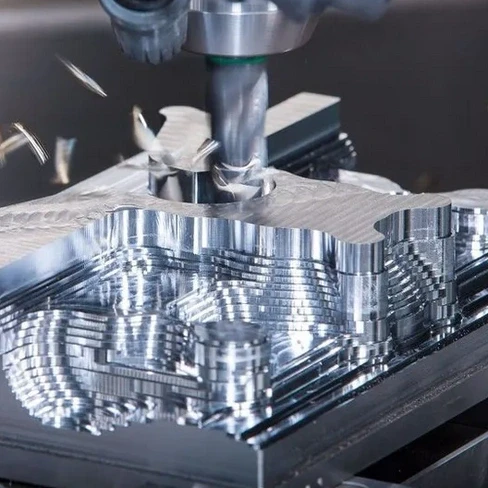
Understanding Steel Milling: CNC Machining Services Overview
Steel is a commonly used material in various industries, but milling it requires specialized knowledge. CNC machining services like those provided by CNCRUSH focus on delivering precision parts through the optimal combination of cutting tools, feeds, speeds, and coolant application. When milling steel, it’s important to understand the material’s behavior under stress and heat, as improper handling can lead to tool breakage, excessive wear, and lower part quality.
Choosing the Right End Mill for Steel Milling

The type of end mill you choose can make or break your steel milling operation. When selecting a cutting tool, it’s crucial to consider the material of the tool, the number of flutes, and the tool’s coating.
- High-Speed Steel (HSS) is inexpensive but wears out quickly.
- Cobalt offers better durability and is a great mid-range option.
- Solid Carbide is the go-to choice for high precision and long-lasting performance, especially in tougher materials like steel.
At CNCRUSH, we often recommend solid carbide tools for milling steel due to their ability to maintain sharpness and resist heat.
Understanding Steel Grades and Their Machinability
Steel comes in different grades, each with its own machinability characteristics. For instance, stainless steel grades such as 304 and 316 are commonly used in industries like automotive and medical. However, these grades require different machining approaches compared to carbon steels or tool steels.
- Austenitic Stainless Steels (300 Series): Commonly used in CNC machining, these steels are tough and resistant to corrosion but can be tricky to machine due to work-hardening tendencies.
- Martensitic Steels (400 Series): Known for high strength and wear resistance, but more susceptible to chipping during machining.
By understanding the unique properties of different steel grades, CNCRUSH can ensure that your CNC milled parts are produced to the highest standards, regardless of the material.
Cutting Parameters for Milling Steel: Optimizing Feeds and Speeds

When milling steel, the feeds and speeds are critical to both tool longevity and part quality. Push the tool too hard, and it will wear out quickly. Go too slow, and you risk generating excessive heat, which can lead to work-hardening of the steel and damage to both the tool and the part.
Best practices for feeds and speeds include:
- Lower RPM for roughing operations to maintain a cooler tool.
- Higher RPM for finishing operations to achieve smoother surfaces.
- Adjusting feed rates based on the number of flutes and tool size for optimal chip evacuation.
Tool Coatings for Steel Milling
The right coating can extend the life of your end mills and improve overall performance. Coatings such as TiN (Titanium Nitride) and AlTiN (Aluminum Titanium Nitride) are popular choices for milling steel because they reduce friction and enhance heat resistance.
- TiN: A good all-purpose coating, it improves wear resistance.
- AlTiN: Ideal for high-speed machining, it’s excellent for harder materials like tool steel or stainless steel.
For our CNC machining services at CNCRUSH, we often recommend AlTiN-coated tools for more challenging steel grades due to its superior performance in heat-intensive applications.
Design Considerations for CNC Milled Parts in Steel
When designing parts for CNC milling in steel, it’s essential to consider how the material will react during the machining process. Certain design features can either improve or hinder machinability:
- Avoid deep pockets: Deep cavities in steel parts can be difficult to machine and may require special tooling. Instead, keep cavity depth within a reasonable range to reduce machining time and tool wear.
- Use larger radii: Sharp internal corners can lead to stress concentrations, so rounding the corners with larger radii helps reduce the risk of tool breakage.
- Limit wall heights: Tall, thin walls are prone to vibrations and deflections during machining. Keeping the wall thickness above 0.8mm for metals ensures better dimensional accuracy.
These design tips not only help you create better parts but also allow CNCRUSH to deliver high-quality CNC milled parts efficiently.
Lubrication and Coolant for Milling Steel
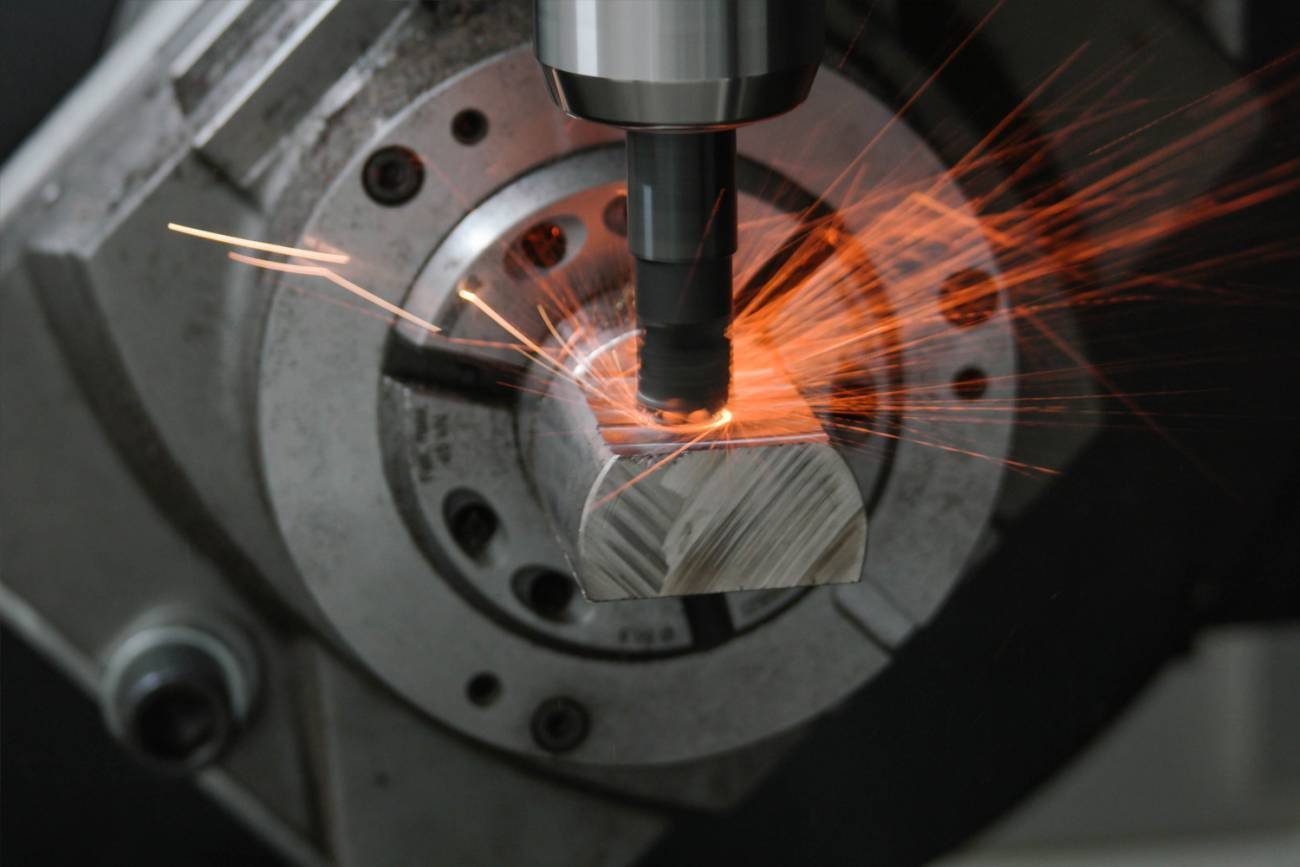
Proper coolant application is key to managing heat and extending tool life during steel milling. For most operations, flood coolant is the best option as it helps to dissipate heat effectively. In some cases, cutting oils are used, particularly when working with harder steels or when surface finish is critical.
At CNCRUSH, we use advanced coolant systems that ensure the tools remain cool during high-speed milling, reducing wear and ensuring longer tool life.
Common Mistakes to Avoid When Milling Steel
Steel milling can be challenging, especially if you overlook certain details. Here are some common mistakes to avoid:
- Overlooking tool wear: Continuously using worn-out tools leads to poor surface finishes and part inaccuracy.
- Ignoring coolant requirements: Lack of proper coolant application can lead to heat build-up, causing the steel to harden and tools to dull faster.
- Using the wrong tool: Not all end mills are suitable for milling steel. Make sure to use tools specifically designed for steel applications.
Avoiding these mistakes ensures high-quality CNC machined parts with minimal rework.
Benefits of CNC Machining Services for Steel Milling
CNC machining services, such as those provided by CNCRUSH, offer several advantages for milling steel:
- Precision: Achieving tight tolerances in steel parts is easier with CNC machining due to automated control.
- Consistency: With CNC milling, parts can be produced with the same level of accuracy, ensuring repeatability across batches.
- Speed: CNC machines can operate continuously and at high speeds, making it possible to deliver large volumes of parts in a short time.
At CNCRUSH, we have extensive experience in producing CNC milled parts for industries like automotive, automation, and machine building, ensuring every part meets exact specifications.
Applications of CNC Milled Steel Parts
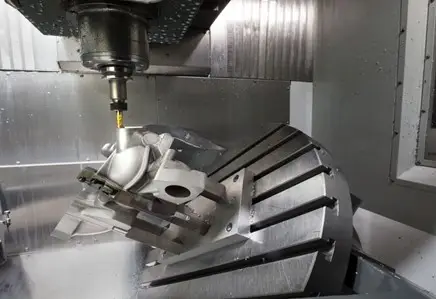
CNC milled steel parts are used in various industries, including:
- Automotive: Steel components like engine blocks, transmission parts, and suspension components are commonly machined using CNC milling.
- Machine Building: CNC turned parts made from steel are essential in creating high-performance machinery components.
- Automation: High-precision steel parts are required for automated systems to function smoothly.
CNCRUSH’s CNC machining services cater to these industries, offering solutions for both CNC milled parts and CNC turned parts.
Table 1: Comparison of Tool Materials for Steel Milling
| Tool Material | Durability | Speed | Application |
|---|---|---|---|
| High-Speed Steel (HSS) | Low | Slow | General-purpose cutting |
| Cobalt | Medium | Moderate | Better heat resistance |
| Solid Carbide | High | Fast | High-precision, high-speed machining |
Table 2: Cutting Parameters for Different Steel Grades
| Steel Grade | Recommended RPM | Recommended Feed Rate | Coolant Required? |
|---|---|---|---|
| 304 Stainless Steel | 3000 RPM | 0.005 in/rev | Yes |
| 316 Stainless Steel | 2500 RPM | 0.004 in/rev | Yes |
| Tool Steel | 1500 RPM | 0.003 in/rev | Yes |
FAQ Section
Q: Can I mill hardened steel? A: Yes, but it requires specialized tooling and reduced feed rates to avoid excessive tool wear.
Q: What coolant should I use for steel milling? A: Flood coolant is the best option for most steel milling applications, as it helps manage heat effectively.
Q: Why is tool wear higher when milling steel? A: Steel is a harder material, and improper speeds or feeds can accelerate tool wear due to increased friction and heat.
In conclusion, milling steel successfully requires a deep understanding of the material, proper tool selection, and optimized machining parameters. At CNCRUSH, our CNC machining services specialize in delivering high-quality CNC milled parts and CNC turned parts that meet the demanding needs of industries like automotive and automation. By following the best practices outlined above, you can ensure your steel machining projects are both efficient and cost-effective.
