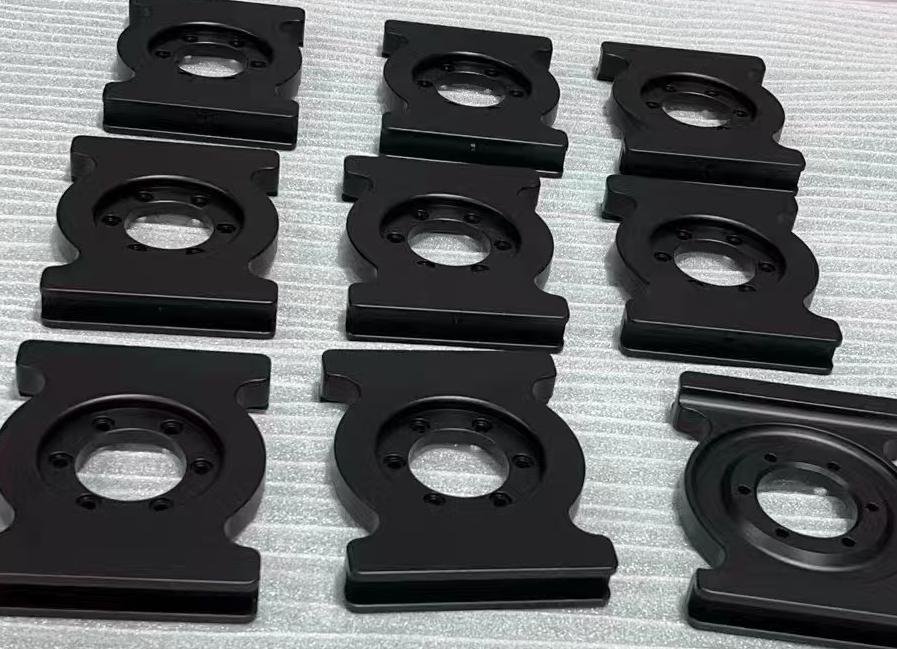
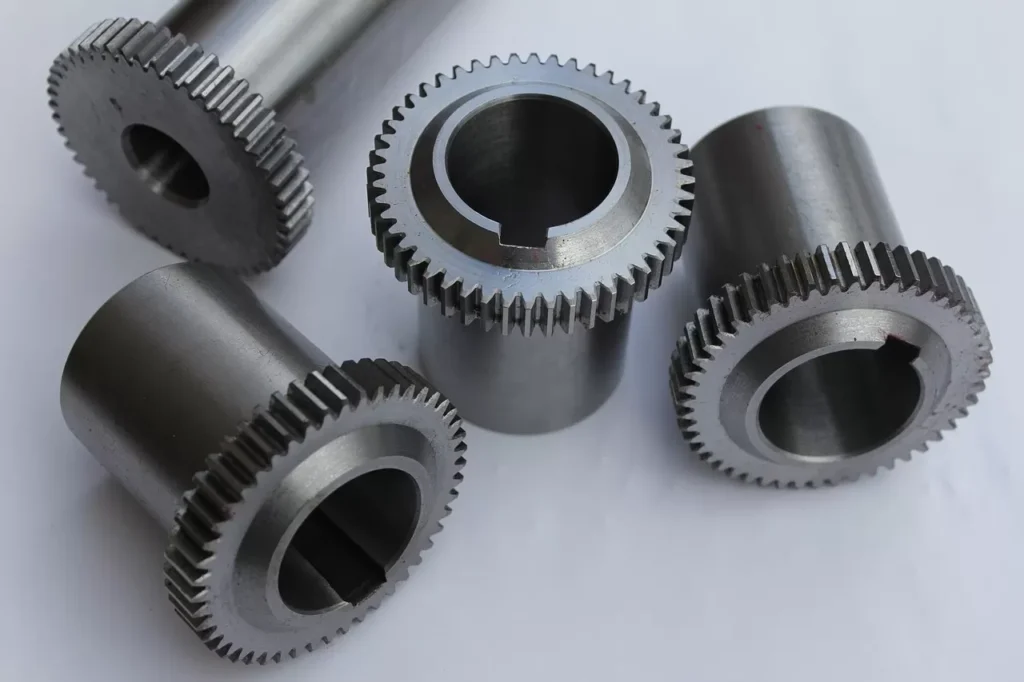
CNC Milled parts
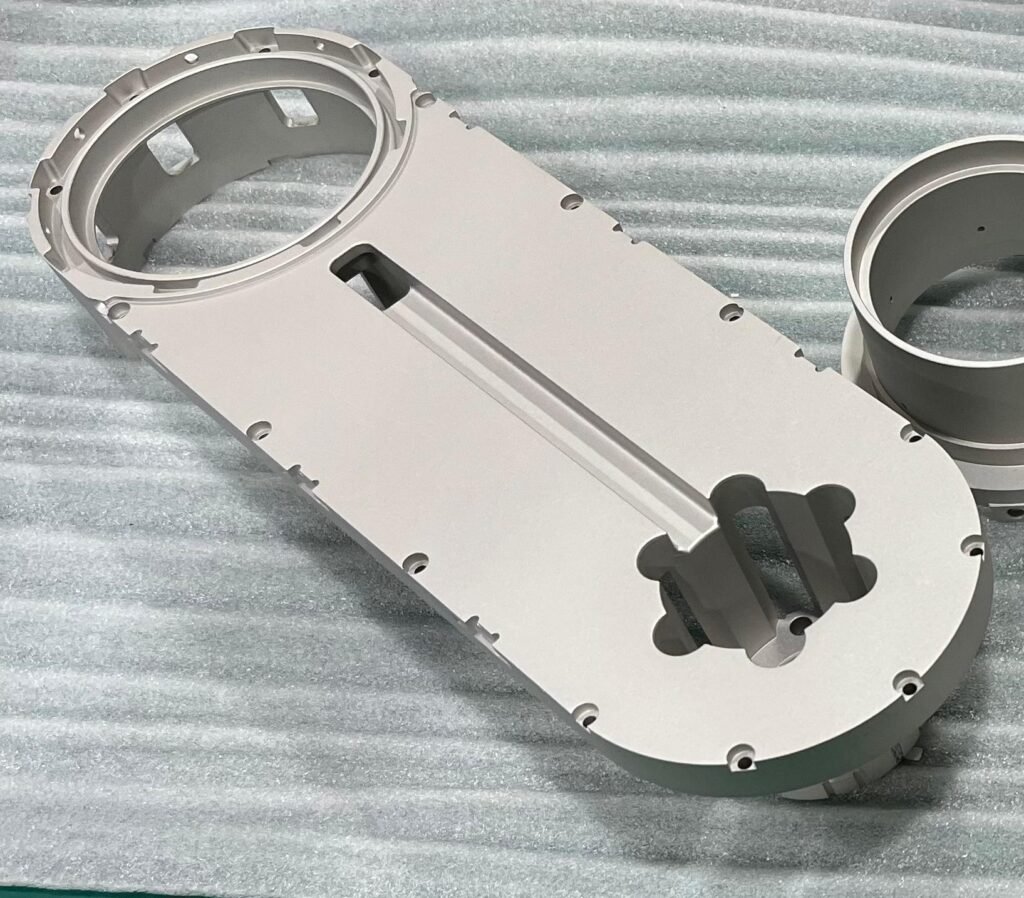
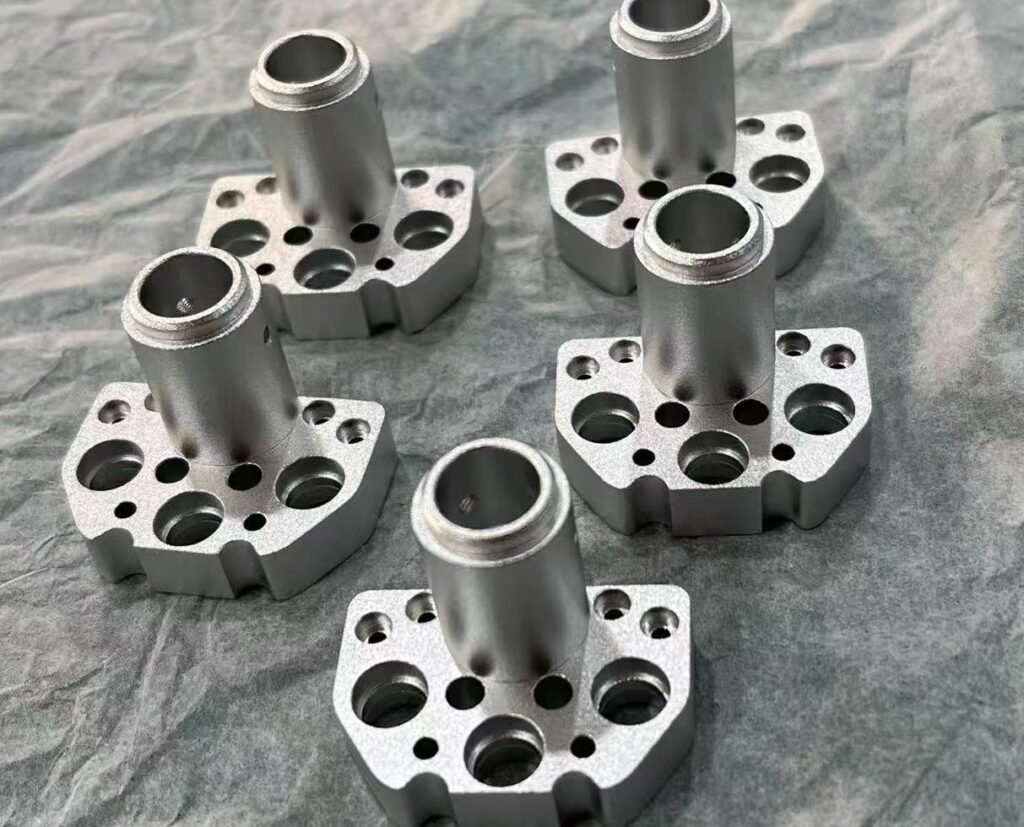
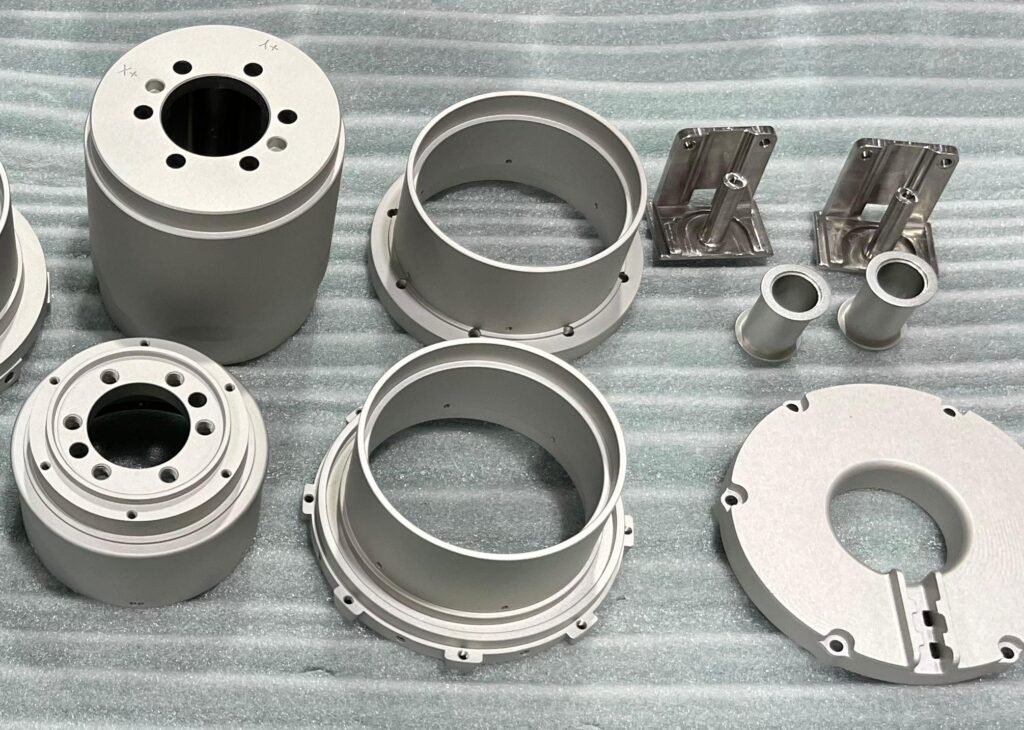
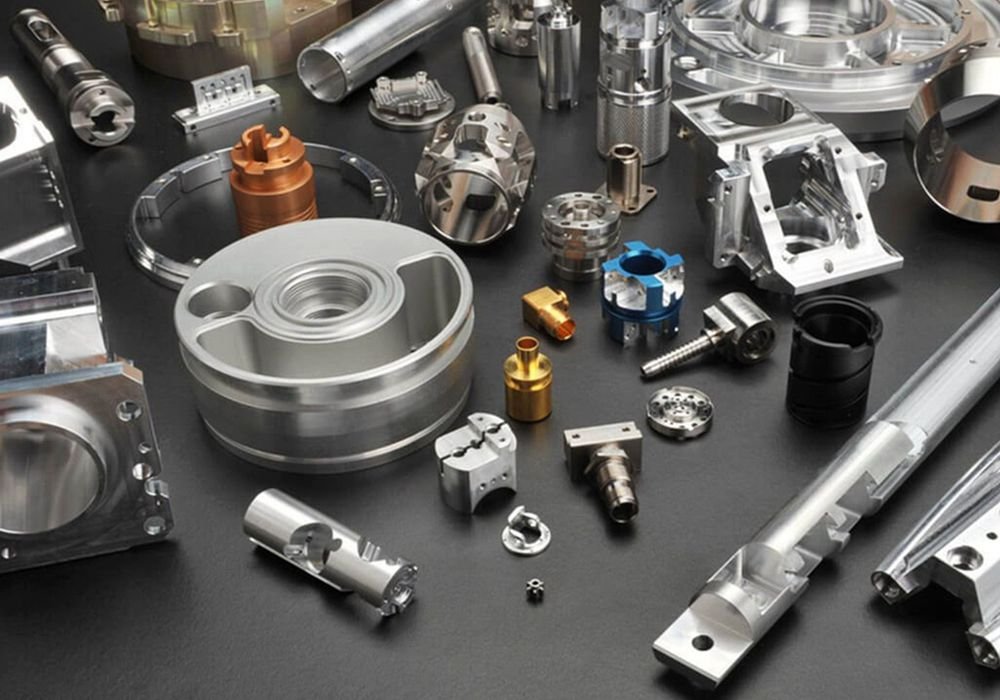
At CNCRUSH, we pride ourselves on delivering high quality CNC milled parts while maintaining competitive pricing.

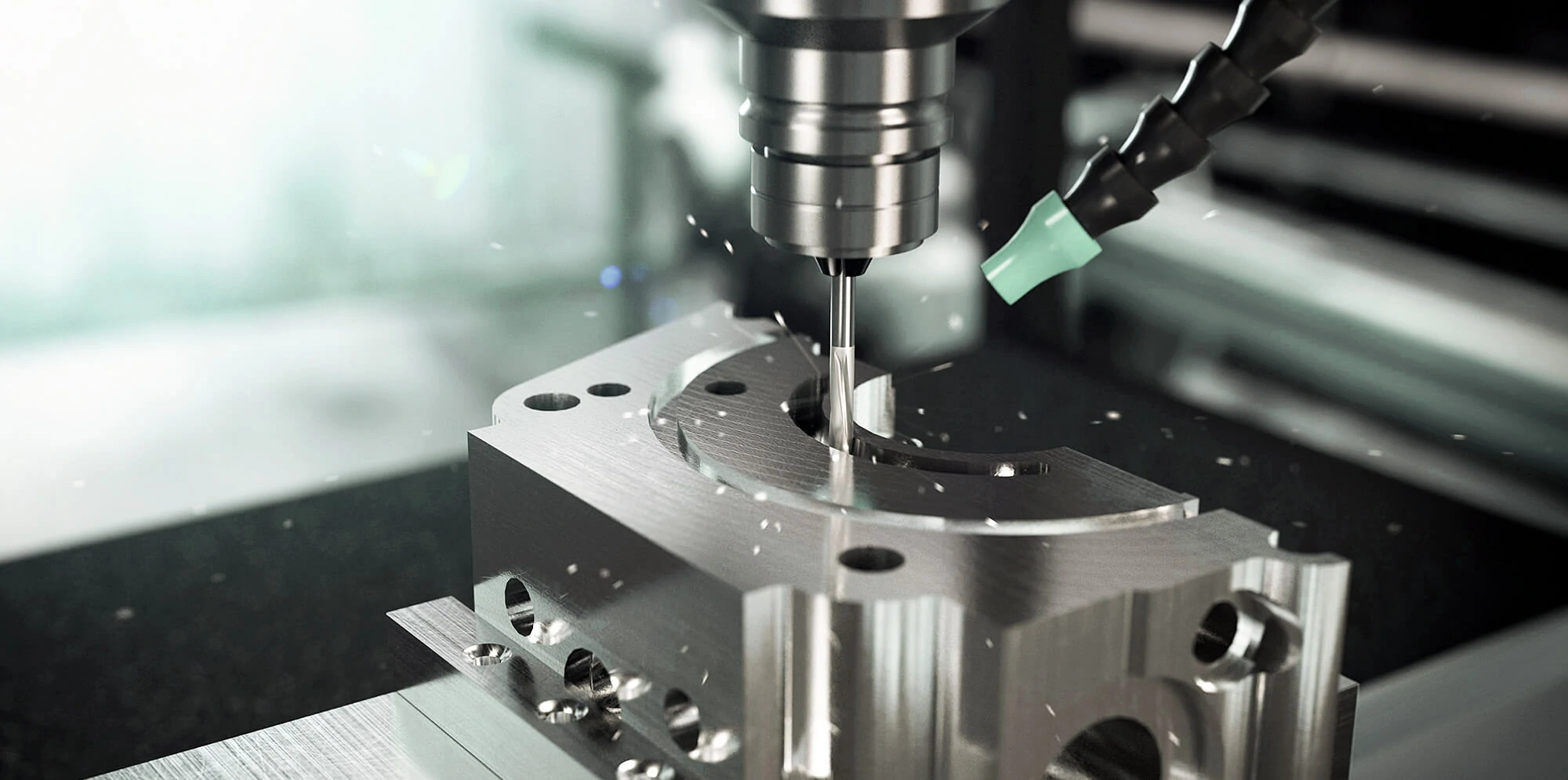
At CNCRUSH, we pride ourselves on delivering high quality CNC milled parts while maintaining competitive pricing.

A 3-axis machine moves along three linear axes: X, Y, and Z. It is primarily used for machining flat surfaces or simple geometries. While efficient and cost-effective, it lacks the capability to handle complex contours or undercuts.

A 4-axis machine includes three linear axes (X, Y, Z) and one rotational axis (usually around X or Y). It enables machining on multiple sides of a part without repositioning, making it ideal for cylindrical objects or intricate side features.
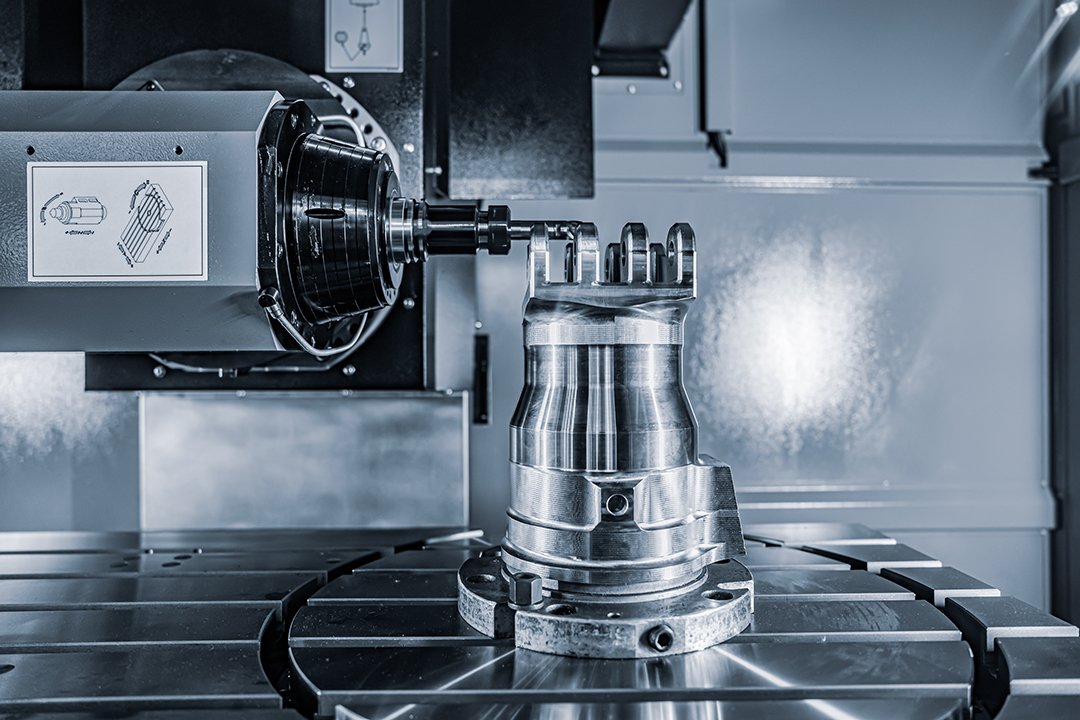
A 5-axis machine offers three linear axes (X, Y, Z) and two rotational axes, enabling machining from virtually any angle. It is essential for producing intricate, high-precision parts like aerospace components and medical devices, reducing setups and improving efficiency.
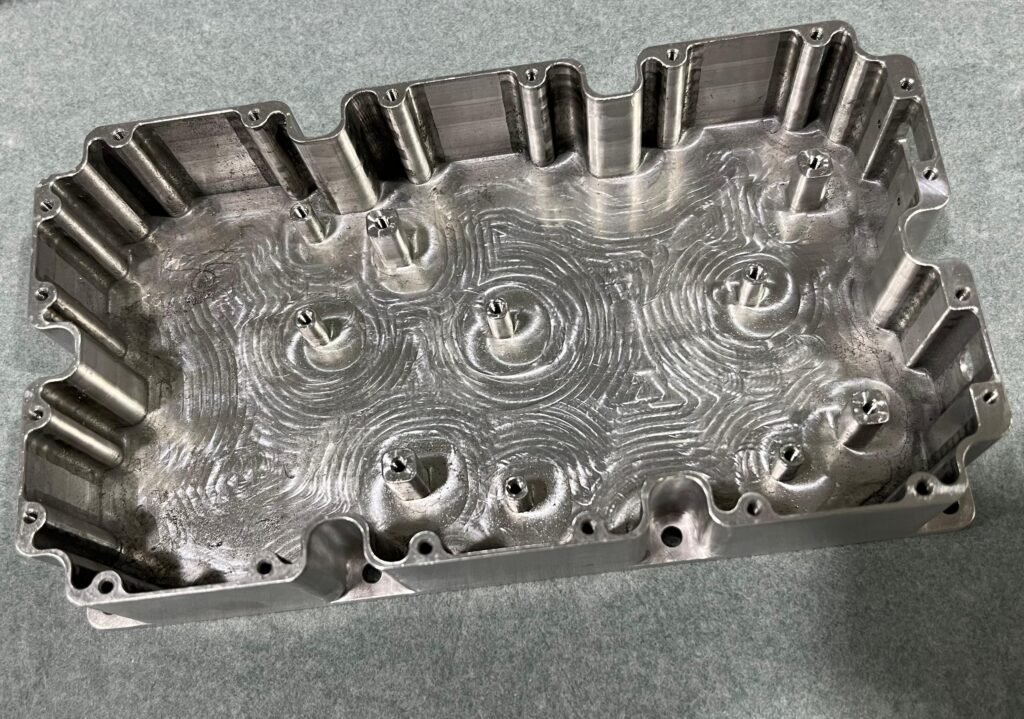
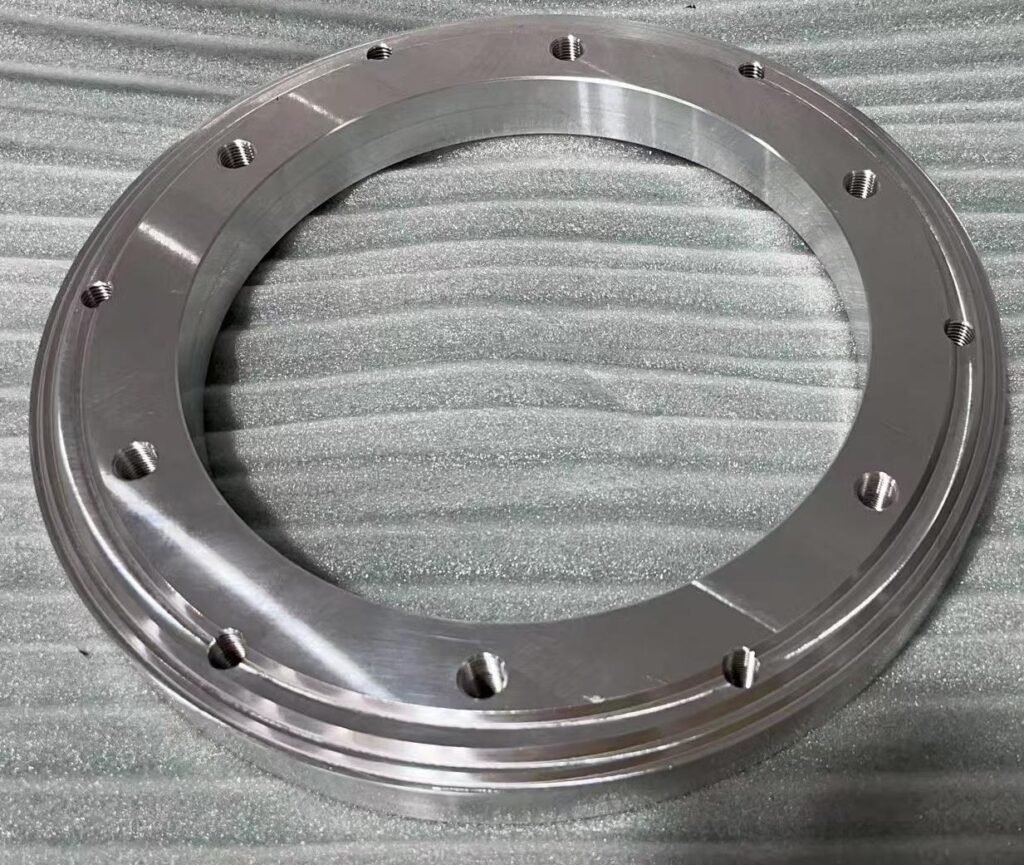
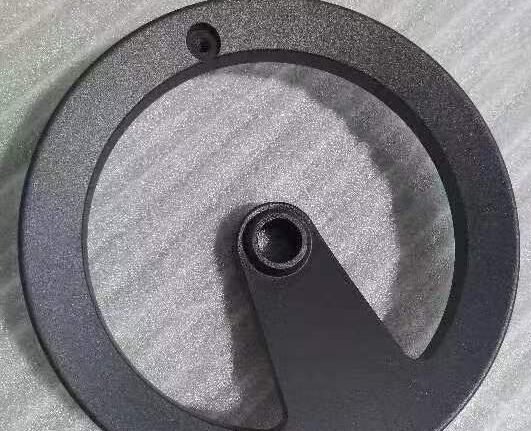
Established in 2013, CNCRUSH operates 15 3-axis, 5 4-axis and 5 5-axis machining centers for precision CNC milling. Quality inspection is supported by CMM, optical/profile projection, height gauges, hardness testing, micrometers and calipers.
This section has been designed to address frequently asked questions and provide clarity on any concerns you may have about milling parts at CNCRUSH. Here, you’ll find detailed information to help you better understand our order fulfillment process and how we approach projects requiring precision milling services, ensuring we meet your goals efficiently and effectively.
Our standard tolerance reference is ISO 2768-f. Critical features can be held to ±0.005 mm when material stability, part geometry and appropriate GD&T permit. Tight-tolerance features are reviewed during quotation and DFM.
Yes. Projects requiring both turning and milling can be completed using our in-house CNC turning centers together with 3-axis, 4-axis and 5-axis machining centers. The process route is selected according to geometry, tolerance and batch requirements.
Our owned milling equipment includes 15 3-axis machining centers, 5 4-axis machining centers and 5 5-axis machining centers. This mix supports standard prismatic parts, multi-face machining and complex multi-angle geometries.
Material preparation is planned according to stock form, part geometry, batch size and traceability requirements. Material certificates are available on request for traceable aluminum, stainless steel, brass, titanium and engineering plastics.
The cost of CNC milling is influenced by material type, part complexity, tooling costs, batch size, and surface finish requirements. Additionally, many projects require custom tooling, which can also impact pricing.
Simple prototype parts typically take 3–5 working days and complex prototypes 5–10 working days. Mass production is normally 2–4 weeks, depending on quantity and finishing requirements.